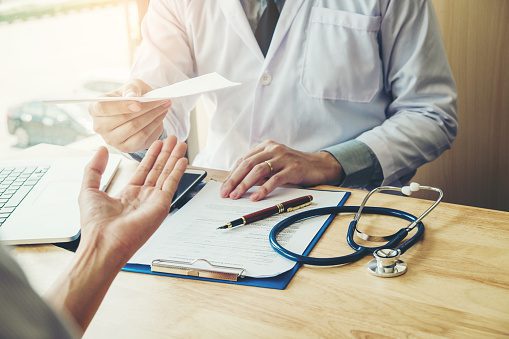
Best practice for employers
New Government Guidance on Fit Notes for Employers
New Government Guidance on Fit Notes for Employers. Fit notes have undergone significant changes in the last 18 months; including a new version of the fit note

New Government Guidance on Fit Notes for Employers. Fit notes have undergone significant changes in the last 18 months; including a new version of the fit note
How do employers deal with high sickness absence rates? According to new survey findings from the CIPD and Simplyhealth (2023), UK employees were absent for 7.8 days on average over the past year, the highest level reported in over a decade and two days more than the pre-pandemic sickness absence rate of 5.8 days.

We are often asked to advise employers where an employee wants to return to work before the end of the sick note/fit note provided by a healthcare professional

The current cost of living crisis appears to be hitting hard across the UK, as revealed by a recent survey carried out by FindOutNow across 1,063 adults.
Sickness absence is an inevitable consequence of the workforce; we all get sick from time to time and employers should have strategies in place …
Monkey Pox: What should employers be considering? After the COVID19 Pandemic it seems the employment landscape is now facing a renewed threat as monkeypox cases rise across the UK. Although the risk of infection is considered low and a small number of infections reported overall in the UK …

As you will be aware the legal requirement to self-isolate following a positive covid test has been removed from the 24th February 2021 however the guidance and messaging from the government is that you should still stay at home if you have a positive result! Where does this leave employers????
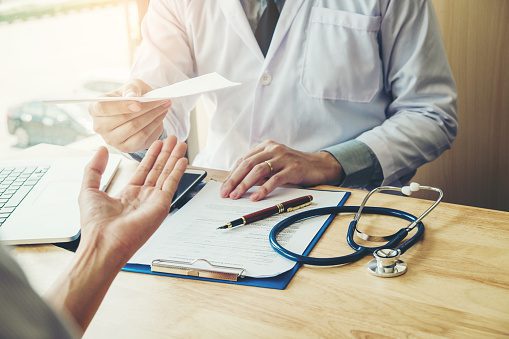
Why should we obtain medical evidence if an employee has a medical condition? Problems can arise where an employee is off long term or has short persistent absence for the same reason. The reason for this is that the employee may have a disability under the Equality Act 2010..

You may have seen in the news recently that both Next and Ikea have reduced the amount of sick pay an unvaccinated employee will receive if they are required to self-isolate after coming into contact with someone with Covid-19. The news has been met with a certain amount of backlash..
As many employers will be aware an employee, who is off work due to sickness, can complete a self-certification form when they return to work provided, they have not been off work for more than 7 consecutive days, which includes non-working days and weekends.