
Best practice for employers
What to expect in employment law in 2023
What to expect in employment law in 2023. Annual increases in National Minimum Wage and Statutory Payments, New Legislation in the pipeline..

What to expect in employment law in 2023. Annual increases in National Minimum Wage and Statutory Payments, New Legislation in the pipeline..

From 1 April 2023 the new rates of pay will be: 23 and over – £10.42 per hour (92p increase), 21-22 – £10.18 per hour (£1 increase), 18-20 – £7.49 per hour (66p increase), 16-17 – £5.28 per hour (47p increase), Apprentice rate – £5.28 per hour (47p increase)

In recent years cases in the Courts and Tribunals have highlighted the fact that anyone who is engaged as a worker or employee, with an ongoing contract or engagement, will continue to accrue holiday regardless of whether they have been undertaking any work under that contract.

Providing training and development opportunities to your employees is a great way to invest in your staff and in your business. The cost of such training is usually borne by the employer on the basis that, over time, the business will benefit from the new skills or knowledge that the employee has gained
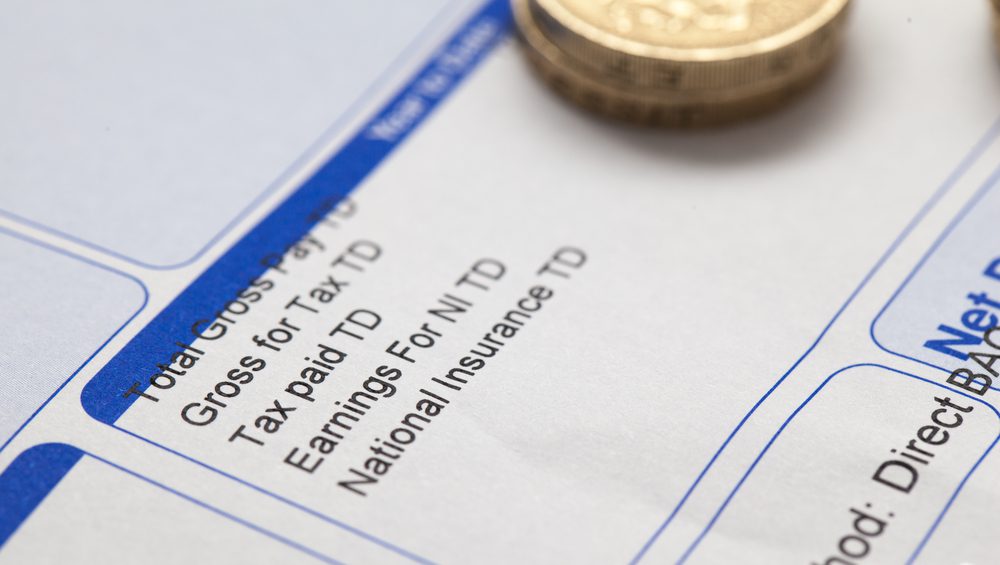
Businesses are facing an increase in costs across all areas including, rising energy prices, wholesale increases, rental and business tax rises which means relying on increasing salary rates as a mean to attract and retain talent is an unsustainable business strategy.
According to a recent survey of 1,000 employers by the Chartered Institute of Personnel and Development (CIPD), one in ten employers plan to reduce the pay or benefits of workers who choose to work from home rather than return to the office.

How flexible are you? On Monday 6th June 2022 various companies began a 6month pilot of a 4-day working week, which provides employees with 100% of their pay for 80% of their usual hours. The idea behind the pilot is to focus on employees working fewer but more productive hours.

Monkey Pox: What should employers be considering? After the COVID19 Pandemic it seems the employment landscape is now facing a renewed threat as monkeypox cases rise across the UK. Although the risk of infection is considered low and a small number of infections reported overall in the UK …
Annual increases to National Minimum Wage and Statutory Payments for 22/23. The following increases to the National Minimum Wage and the rates of statutory payments have taken effect from 1 April 2022: National Minimum Wage (age 23 plus – the National Living Wage) to increase from £8.91 to £9.50..
